Sheikh Hamad bin Khalifa Al Thani obituary
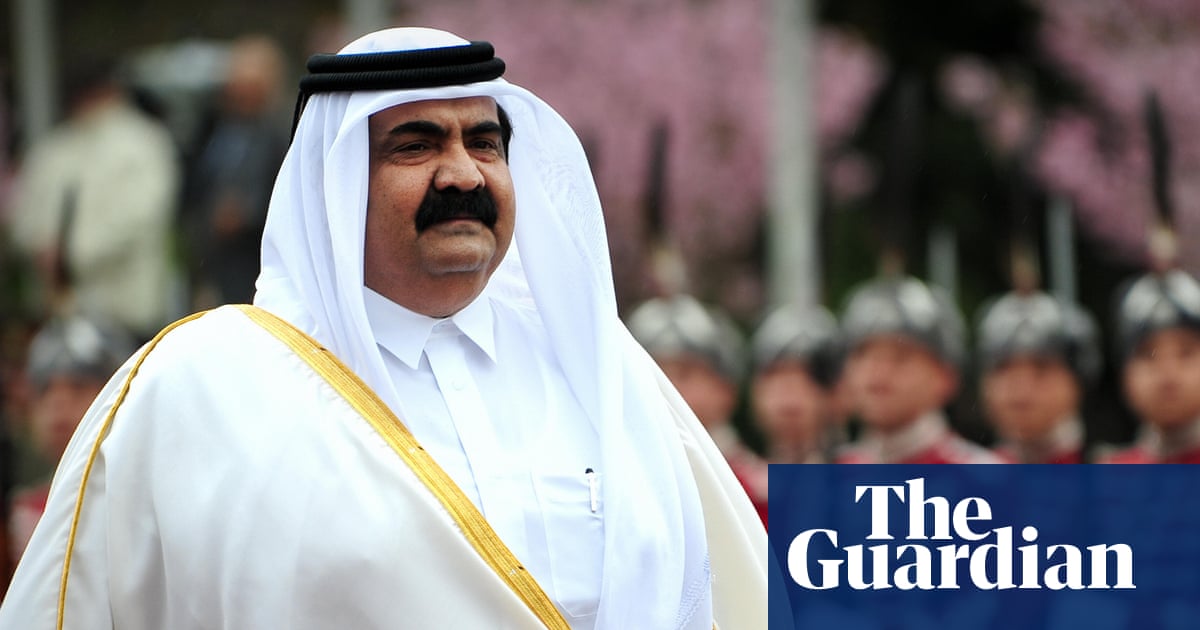
In June 1995 the emir of Qatar, Sheikh Khalifa bin Hamad Al Thani, was holidaying at a luxury lakefront resort in Geneva, Switzerland. His son, Sheikh Hamad bin Khalifa Al Thani, having effectively run the...
In June 1995 the emir of Qatar, Sheikh Khalifa bin Hamad Al Thani, was holidaying at a luxury lakefront resort in Geneva, Switzerland. His son, Sheikh Hamad bin Khalifa Al Thani, having effectively run the daily affairs of the country for more than a decade during Khalifa’s prolonged absences abroad, resolved to depose him. In a swift and bloodless operation, the 43-year-old crown prince proclaimed himself the new emir, a move that would permanently alter the trajectory of his nation and reshape the modern Middle East.
Following his audacious takeover, Hamad, who has died aged 74, became a completely different kind of leader from his regional contemporaries. Eschewing the ritualistic, baroque finery and aloofness traditional to Gulf monarchs, he governed Qatar more like the managing director of a global corporation.
He was famously down-to-earth, frequently driving his own vehicle around the streets of Doha and dining in local restaurants with minimal security. A “big picture” thinker, he focused on long-term strategy while delegating the minutiae of daily governance to trusted technocrats. This singular determination was widely recognised by foreign observers; a leaked July 2008 US embassy cable published by WikiLeaks quoted a source who said that: “The Amir seems to be the only one in the Government who has a vision for this country. The details of that vision, however, are not entirely clear to anyone, except perhaps the Amir himself and his closest associates.”
His achievements as emir were monumental. Hamad successfully bypassed the “oil curse” that plagued his neighbours by aggressively developing Qatar’s massive offshore natural gas reserves, transforming the state into an economic juggernaut with one of the highest per capita incomes in the world. His domestic legacy included delivering Qatar’s first implemented written constitution, introducing democratic municipal elections, and elevating the status of women in public life.
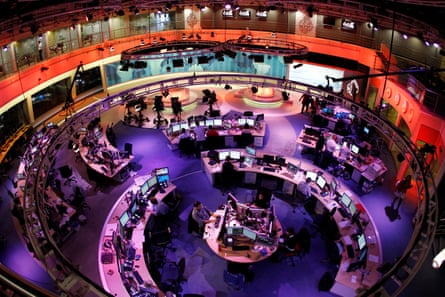
Crucially, he established Qatar as a global media hub in 1996 by founding Al Jazeera, initially an Arabic news satellite TV station, later expanding its reach in English and Spanish. In 1998 he abolished the ministry of information, thereby ending official state censorship.
His death marks the conclusion of a transformative era for the small Gulf peninsula, which he single-handedly dragged from regional obscurity into the centre of global geopolitics. While maintaining defence and security links with the US, he maintained a deep-seated commitment to the Palestinian cause, an outlook inherited from his father. He gave the leaders of Hamas a base in Doha, an engagement aimed at pulling the militant group away from the Iranian and Syrian “axis of resistance” and getting them to face reality and negotiate.
During the Arab spring of 2011, Sheikh Hamad rode the whirlwind, proactively championing his policy of “Arabs sorting out Arab problems”, backing revolutionary movements in Libya and Syria, amplifying popular revolts through Al Jazeera, and positioning Qatar to shape political Islam across the region, all while selectively contributing troops to Bahrain to preserve Sunni supremacy.
Born in the capital city of Doha, Hamad was a member of the Al Thani ruling family, members of the Bani Tamim, an ancient Arabian tribe that supported the prophet Muhammad in the earliest days of Islam and carried the movement to Andalucía, in southern Spain. His mother, Sheikha Aisha bint Hamad Al Attiyah, died shortly after his birth. Growing up within this powerful tribal lineage, his early life was shaped by traditional custom alongside a rapidly modernising world.
As a youth, Hamad experienced formative encounters that would influence his future philosophy of governance. He had his first exposure to democracy as a boy during a trip to London. The concept seemed so ridiculous to him that he had to be led from the House of Commons balcony in hysterical laughter after witnessing his first parliamentary debate.
Back home, his early formal education was dominated by émigré Egyptian teachers, under whose influence he became a virulent Nasserist. This anti-colonial fervour culminated around 1967, when he participated in political protests, throwing stones at the British embassy and denting its metal shutters. He later realised that these radical pan-Arab movements had misled his generation, an epiphany that sparked his lifelong commitment to replacing foreign educational influences with indigenous, world-class Qatari institutions through the later creation of the Qatar Foundation, promoting education, scientific research and community development.
To prepare for his state duties, he attended the Royal Military Academy Sandhurst in the UK, graduating in 1971. On his return, he held several military posts, and in 1977 was appointed minister of defence.
Over the next two decades, as his father spent increasing amounts of time on the French Riviera, Hamad assumed the day-to-day administration of the state. He became immensely popular among his peers and successfully buried centuries-old rivalries between competing branches of the Al Thani family, establishing a unified political front that paved the way for his eventual accession.
In his personal life, Hamad balanced tribal alliances and personal compatibility across his three spouses, by whom he had 24 children. His second wife, Sheikha Moza bint Nasser al-Misned, emerged as his primary strategic partner, collaborating deeply on national education and social reforms. Hamad carefully managed the upbringing of his large family, deliberately fostering a competitive yet disciplined environment to select the most capable successor to maintain the country’s stability.
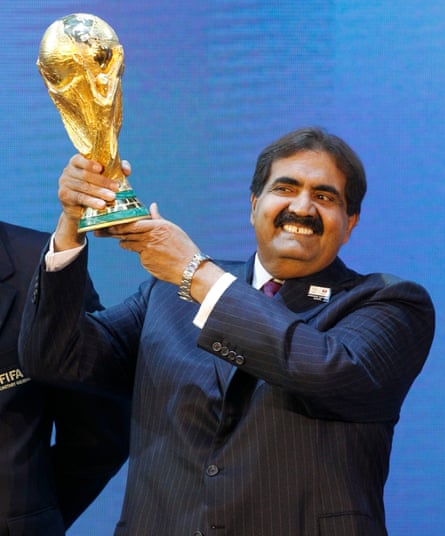
In a highly unusual move for a Gulf ruler, Hamad chose to step down voluntarily from the throne in 2013, passing the mantle to the next generation. He retired to a life of quiet diplomacy, historical research and cultural advocacy, split between Doha and his properties in Europe. He was succeeded as emir by his son Sheikh Tamim, who continued to guide the nation along the strategic path forged by his father’s singular vision. Their most spectacular deployment of soft power came with the announcement in 2010 that Qatar would be hosting the 2022 men’s football World Cup.
The “father emir” is survived by his three wives, 11 sons and 13 daughters.