US launches weekend strikes on Iran as Trump reportedly tightens framework of draft deal
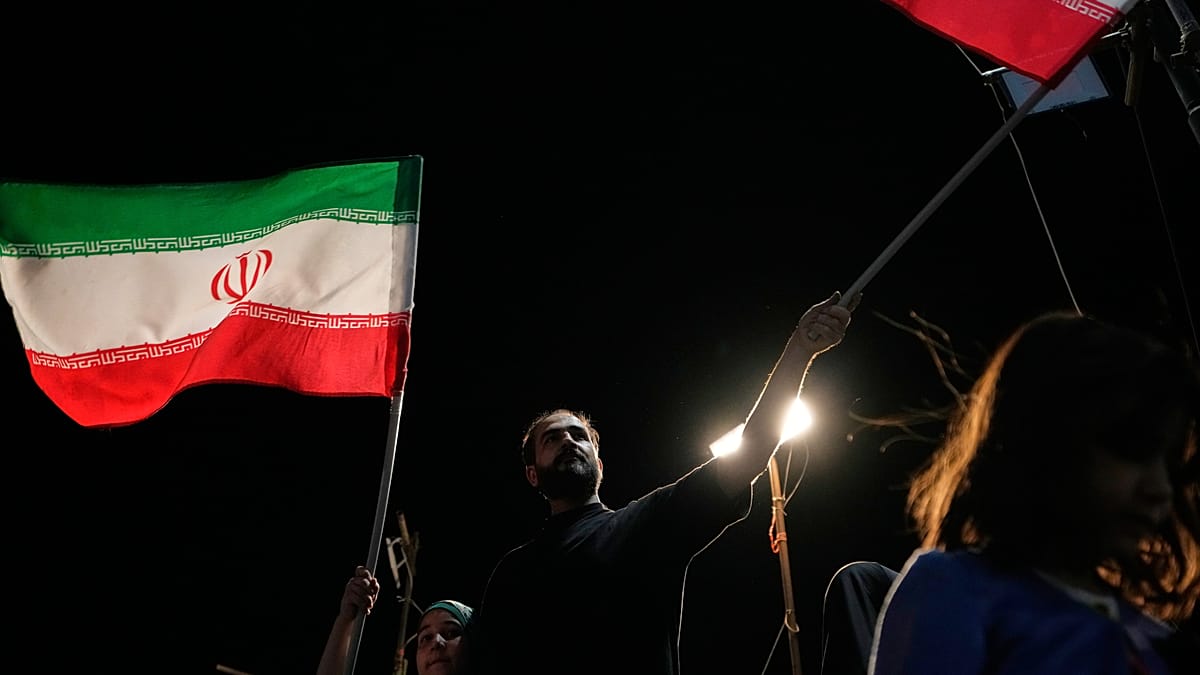
Any tweaks to the draft could further delay an agreement to formally end the Middle East war and reopen the Strait of Hormuz after weeks of fraught negotiations marked by sharp rhetoric and occasional flare-ups of violence.
Published on 01/06/2026 - 6:06 GMT+2
The United States conducted several strikes on Iranian military strikes over the weekend, according to US Central Command, as details on a draft peace deal remained increasingly uncertain.
In a post on X, CENTCOM wrote that "self-defence" strikes were conducted on "Iranian radar and command and control sites for drones in Goruk, Iran and Qeshm Island".
It added that the strikes came "in response to aggressive Iranian actions that included the shootdown of a US MQ-1 drone".
Meanwhile, Kuwaiti air defences intercepted "hostile missile and drone attacks", the military said Monday, as air raid sirens sounded across the country.
"The General Staff of the Army wishes to advise that any sounds of explosions heard are the result of air defense systems intercepting these hostile attacks," the Kuwait Army said in a post on its official X account.
KUNA, the state news agency, reported that air raid sirens rang across the Gulf nation, despite a US-Iran ceasefire in place.
Details of peace deal remain uncertain
The tensions come as US President Donald Trump reportedly hardened negotiating terms with Iran to end war.
US media reported Trump had sent back a new version of a possible memorandum of understanding to Tehran with several tightened negotiating points.
Trump has said his priorities include stopping Iran from developing any nuclear weapon and reopening the Hormuz shipping lane, which Iran has blockaded since the war began.
Tehran, however, has previously cast doubt on Trump's assertions and the sides remain far apart on key issues.
Any tweaks to the draft could further delay an agreement to formally end the war and reopen the Strait of Hormuz after weeks of fraught negotiations marked by sharp rhetoric and occasional flare-ups of violence.
"We will not approve any agreement until we are certain that the rights of the Iranian people have been upheld," Iran's chief negotiator Mohammad Bagher Ghalibaf said in a video broadcast on state television.
According to the Tasnim news agency, exchanges on the text "are ongoing, with both parties regularly proposing amendments".
Iranian Foreign Minister Abbas Araghchi, meanwhile, said that "until a clear conclusion is reached...everything that is being said now is speculation", according to state TV.
Iran has said it needs the release of $12 billion in frozen assets before engaging in substantive talks on its nuclear programme, dismissing earlier Trump comments that its enriched uranium stockpile would be destroyed as "baseless", according to Iranian media.