
EU rejects Trump’s 'big beautiful' security deal with Russia and 'all of Europe'
European leaders push back against Washington’s proposal for a broader security framework, warning that Moscow cannot dictate the continent’s future as US-led peace negotiations over Ukraine prepare to resume in Abu Dhabi.
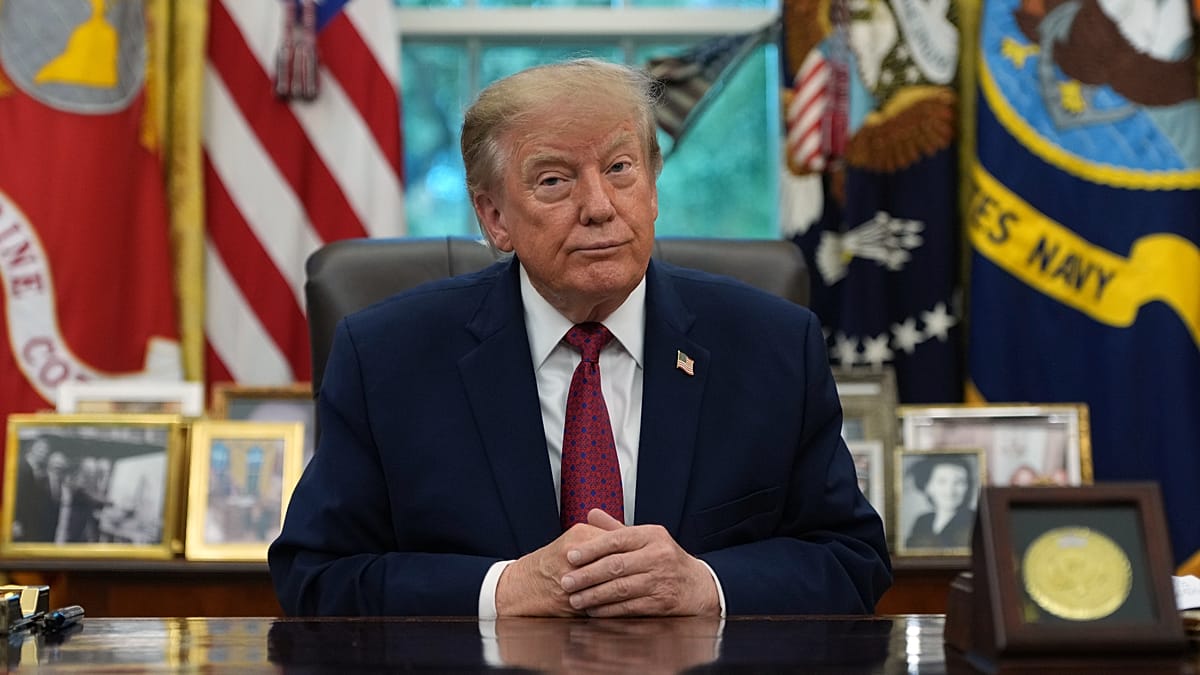
European leaders have firmly rejected any attempt by the United States and Russia to reshape the continent’s security architecture without their involvement, following President Donald Trump’s suggestion that Washington could be nearing a sweeping agreement with Moscow extending beyond Ukraine to encompass all of Europe.
The remarks, made by Trump on Thursday, have raised fresh concerns among Washington’s European allies that the US administration could be moving towards a security arrangement that accommodates Russian President Vladimir Putin’s long-standing demands at the expense of European interests.
Trump described the potential agreement as a “very big” deal involving not only Ukraine but “all of Europe”:
“It’s going to be very big. It’s going to involve more than Ukraine, and I could even say it might involve all of Europe. It’s going to be a big, beautiful agreement, and everyone’s going to be thrilled,” Trump said, without going into any details.
His comments came as his special envoy and son-in-law, Jared Kushner, announced that Washington was working on a broader European security architecture intended to create the conditions for lasting peace.
The initiative has immediately drawn objections from European officials, who insist that the continent’s security arrangements are already established and cannot be renegotiated over their heads.
“We already have a European security architecture in place,” European Union foreign policy chief Kaja Kallas told journalists in Warsaw on Friday.
“The problem remains that Russia keeps breaking the treaties that underpin it. NATO posed no threat to Russia in 2021, and it poses no threat to Russia at the moment. Putin does not have a veto over European security.”
Kallas also stressed that the European Union would have to be involved in any agreement if it was to be implemented.
Her position was echoed by Polish Foreign Minister Radoslaw Sikorski, who warned that any agreement concerning Ukraine and Europe's future reached without European participation would be both politically unacceptable and practically impossible.
“An arrangement about the future of Ukraine and of Europe above our heads would not just be unwise. It is actually impossible,” Sikorski said.
Meanwhile, Ukrainian Foreign Minister Andriy Sybiha said Moscow could not be regarded as a guarantor of European security, arguing that the priority should be protecting Europe against Russian aggression rather than negotiating spheres of influence with the Kremlin.
“We have to talk about protecting ourselves against Russia, not talking with Russians about spheres of influence in Europe,” Sybiha said.
Sybiha reinforced Kyiv's position following a meeting with EU foreign policy chief Kaja Kallas in Warsaw, stressing that neither Ukraine's future nor Europe's security could be decided without the direct involvement of both.
Washington pushes for a broader security framework
The diplomatic disagreement comes as the Trump administration intensifies efforts to bring an end to the war in Ukraine, with US representatives preparing for renewed negotiations between Kyiv and Moscow in Abu Dhabi next week.
After months of largely stalled diplomatic efforts, Washington has stepped up its engagement with both sides, seeking a framework that could deliver a lasting settlement.
Earlier this week, American representatives held two days of discussions in Brussels with officials from NATO, the European Union and major European powers. The meetings focused on security guarantees for Ukraine and the future of Europe's wider security arrangements.
Kushner, who participated in the discussions via video link, subsequently outlined Washington's ambition to develop a broader framework.
In a statement posted on the social media platform X, he said the United States was working towards practical arrangements to address the security concerns of all parties and establish the foundations for lasting peace.
The American proposal reflects an attempt to connect the question of Ukraine's postwar security with the wider relationship between Russia and the West.
However, the language has revived longstanding European concerns about Moscow's ambitions to revise the security order established after the end of the Cold War.
Before launching its full-scale invasion of Ukraine in February 2022, Russia issued an ultimatum to NATO demanding fundamental changes to Europe's security arrangements. Among Moscow's demands was the withdrawal of NATO forces from countries that joined the alliance after 1997.
The Western military alliance rejected those demands, maintaining that sovereign countries have the right to determine their own security arrangements.
Europe demands a seat at the negotiating table
For European capitals, the central issue is not simply whether Washington can negotiate an end to the war, but whether decisions affecting the security of the entire continent can be made without the direct participation of those countries most affected.
Europe has repeatedly called for a greater role in the US-led diplomatic initiative, particularly as discussions increasingly extend beyond the immediate battlefield in Ukraine.
European Commission Chief Spokesperson Paula Pinho said on Friday that considerable work remained before a peace agreement could be reached, stressing that the European Union would determine its own security matters.
NATO, meanwhile, reiterated that Ukraine's allies were working towards a “just and sustainable” end to the conflict.
Kushner sought to reassure European partners that they would not be excluded from the wider process. He said Washington intended to consult closely with them on the sidelines of the Abu Dhabi negotiations and, if progress was achieved, move towards a broader multilateral format involving their direct participation.
Abu Dhabi talks could prove a crucial test
The planned discussions in Abu Dhabi will provide an important test of Washington's ability to reconcile the competing demands of Ukraine, Russia and its European allies.
The United States is seeking to develop proposals that could bring the fighting to an end while establishing security arrangements capable of preventing another war.
However, the fundamental positions remain far apart. Ukraine wants credible guarantees against future Russian aggression, while Moscow has long sought restrictions on NATO's presence and influence in Eastern Europe.
European governments, meanwhile, are determined to prevent any settlement that would reward Russian military aggression or undermine Ukraine's sovereignty and its right to determine its own political and security future.
Washington's efforts to negotiate a broader European security framework with Moscow will have to contend with Europe's firm opposition to any arrangement that could undermine NATO, compromise existing security agreements or limit the sovereignty of European states.
Meanwhile, reactions from Warsaw, Brussels and Kyiv underscore that any deal negotiated primarily between Washington and Moscow would face considerable resistance.