Inflation in Spain rises in July to 3.6%, worst rate since May 2024
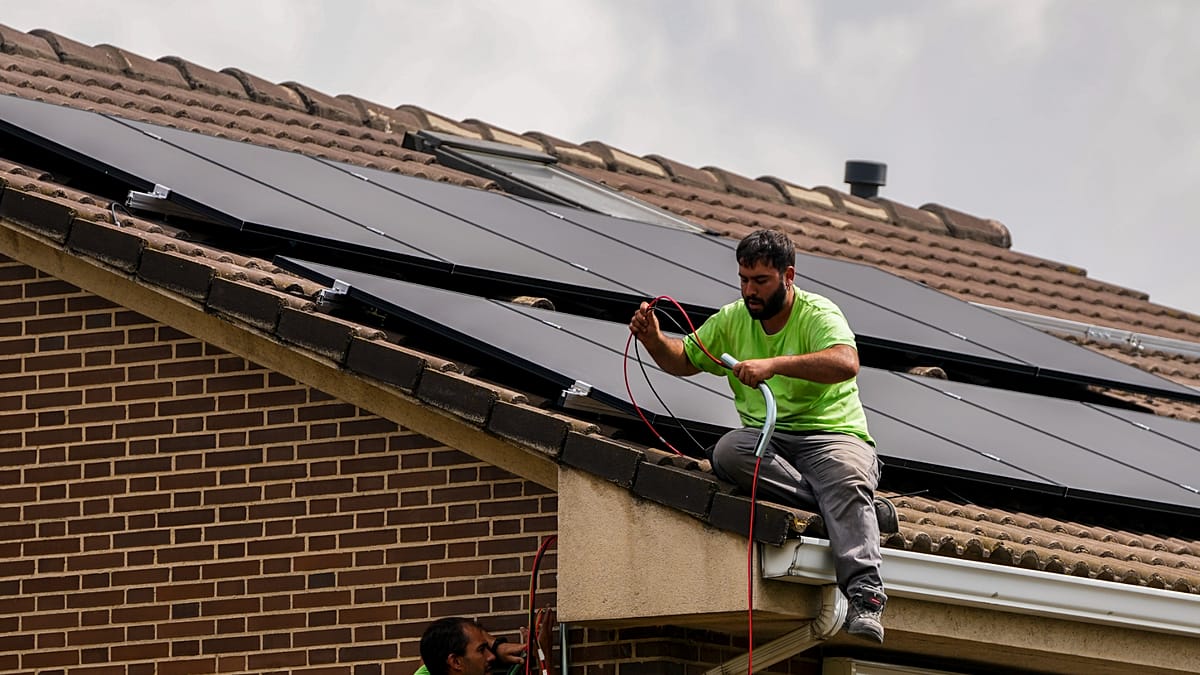
Spain has logged five months in a row of annual inflation above 3%, driven by dearer electricity and fuel as the partial closure of the Strait of Hormuz persists. In July, power prices top €100 per MWh, the highest year-on-year figure since 2022.
Published on 13/08/2026 - 10:16 GMT+2
The second biggest concern for Spaniards, after housing, the performance of the economy, continues to deteriorate in light of the latest data published by the National Statistics Institute (INE). The agency's figures downgrade its July forecast by a tenth of a point and confirm that inflation rose this month to 3.6%. This is the worst figure recorded since May 2024.
There have now been five consecutive months with a year-on-year rate above 3 points, and the rebound has a clear culprit: the fuel crisis and soaring electricity prices. This is also happening in a month marked by strong consumer demand because of the intense heat and successive heatwaves during the dog days of summer, which are pushing electricity bills even higher.
Electricity prices in July are hovering at around €105 per megawatt hour: the biggest year-on-year increase since the same month in 2022, when the invasion of Ukraine put pressure on European supplies. Six years on, it is the partial blockages in the Red Sea and, above all, the Strait of Hormuz that are fuelling instability in energy prices.
The Economy Ministry, headed by Carlos Cuerpo, has announced that since the year-on-year increase in diesel exceeded 15% last month by seven-tenths of a point, an automatic cut in the hydrocarbons tax has been triggered; 20 cents, instead of 5, will be deducted for every litre consumed.
This measure, set out in the government's response plan to the crisis caused by the Israeli and US bombings in Iran, has been heavily criticised by parties to the left of the PSOE, who argue that distribution companies are not passing the full discount on to consumers.
The good news? The cost of the average shopping basket fell by three-tenths of a point in July. "The inflationary pressure has not been passed on to food, where the year-on-year rate was 1.6%, three-tenths of a point below the June rate and a low not seen since 2021," the Economy Ministry pointed out. Prices are still rising, but at a slightly slower pace. Fruit, vegetables and pulses have become particularly cheaper, as have textiles thanks to the summer sales.