‘Fine for others to pay more’: can Japan attract more overseas tourists while charging them extra?
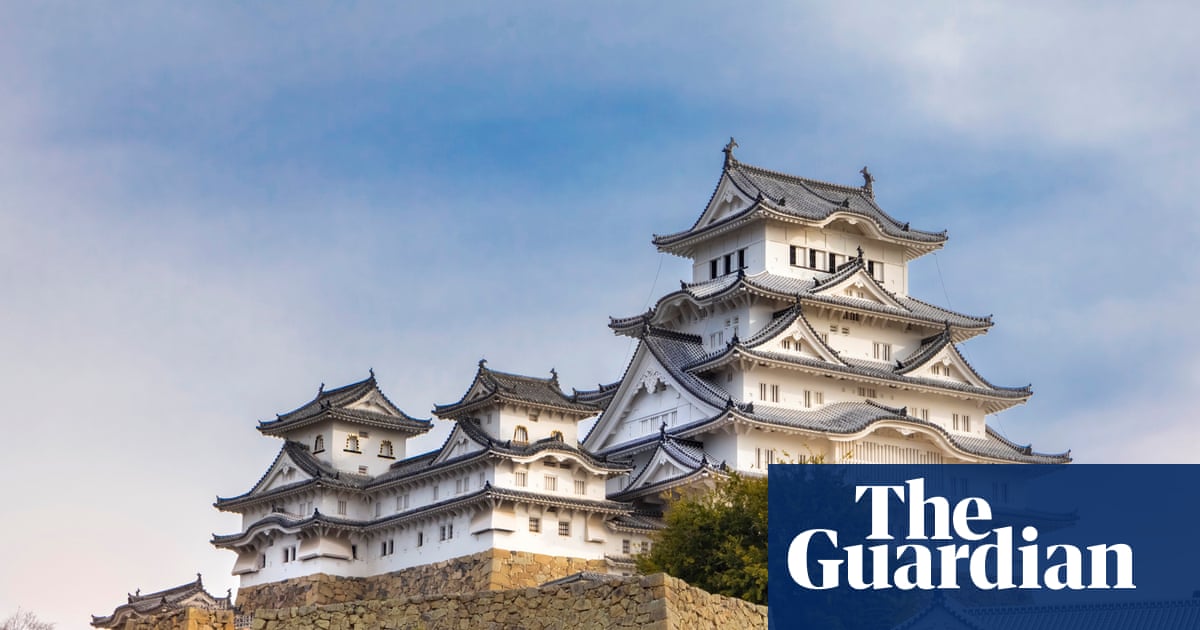
Perched dramatically on a hilltop in western Japan, Himeji castle’s striking white-plastered, tiered roofs earned it the moniker “white heron castle”. The sweeping 17th-century complex is regarded as the...
Perched dramatically on a hilltop in western Japan, Himeji castle’s striking white-plastered, tiered roofs earned it the moniker “white heron castle”. The sweeping 17th-century complex is regarded as the finest existing samurai fortress, and attracts more than one and a half million visitors a year.
But as Japan seeks to manage greater numbers of foreign tourists, Himeji is one of the attractions raising admission prices for non-residents. The World Heritage site increased its admission fee to 2,500 yen ($15.50) on 1 March, but left the price for those who live in Himeji city at 1,000 yen ($6.20).
In the first month of the price rise, admissions dropped 17% - roughly in line with the management bureau’s expectations – and Kensuke Tsushi from the castle’s management bureau says “there were voices cautioning that it might damage the castle’s image”.
However, ticket revenue more than doubled. “It’s often reported as ‘dual pricing’, but we see it as a flat 2,500 yen with a discount for city residents who show ID,” says Tsushi.
Overseas visitors to Himeji grew to 547,000 last year, up from 387,000 in 2018. The castle’s 10-year management plan forecasts that this could reach 1.2 million annually, leading to increased wear and tear costs.
Tsushi says the complaints about the system were coming from from Japanese visitors outside the city rather than foreign tourists. “What we hear from Japanese visitors is: it’s a national treasure, it receives national tax money, so why do only Himeji residents get the discount … we just explain our reasoning and try to get them to understand.”
Japan has ambitious targets to further raise overseas visitor numbers and revenue, but they come amid growing concerns about overtourism. That includes congestion in places such as Tokyo and Kyoto, littering and anti-social behaviour, as well as increased maintenance costs for historic sites.
One strategy being adopted is dual pricing. However, partly to avoid appearing discriminatory to overseas visitors, many sites implementing differentiated prices are opting to charge everyone who lives outside the locality more.
Japan is also tripling the departure tax for all travellers to 3,000 yen ($18.55) this month, and visa fees are set for a fivefold jump to 15,000 yen ($93).
‘It feels quite segregating’
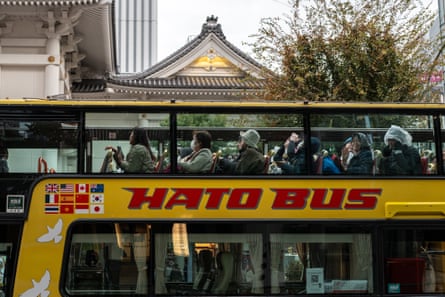
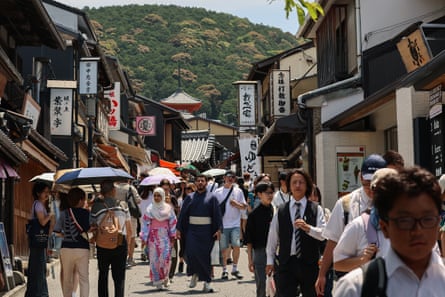
Kyoto has become the overtourism poster child, with local residents complaining of congestion and being unable to ride buses that are packed with overseas tourists. In response, the city is considering raising bus fares for non-residents, Japanese and foreign alike.
The practice is long-established in regional Japan, including for ferries to remote islands.
Yoko Fujihara is a resident of mountainous Nagano, where charging non-residents more for ski passes and onsen hot springs is common.
“There are onsen I go to where non-residents have to pay 200 yen ($1.25) more. It makes sense as some local people don’t have baths at home and so go there every day – it’s fine for others to pay more when they visit,” says Fujihara.
Elsewhere, the Agency for Cultural Affairs has decided to introduce higher admission prices for overseas tourists at state-run museums and art galleries. And nature-experience theme park Junglia Okinawa has priced its one-day ticket cheaper for those who live in Japan, at 6,930 yen ($43), versus 8,800 yen ($54.45) for everyone else.

Lauren Kelly, a Briton based in Bangkok, has made multiple trips to Japan and plans more. She is not enamoured with the idea of dual pricing in a mature economy, even though it is practised in her adopted home.
“It feels quite segregating,” says Kelly. “However, Thailand is a poorer country than Japan, so in a sense I think that would make it feel worse.”
Japan overseas visitor numbers on the rise
Growth in overseas visitors to Japan has been rapid: after topping 10 million for the first time in 2013, numbers reached more than 42 million last year. The government has raised its target to 60 million by the end of the decade.
Spending by overseas visitors grew 16% in 2025 to a record 9.5tn yen ($59bn). The domestic tourist industry, which also logged an all-time high last year, has reached 26.8tn yen ($170bn).
Much of that is earmarked for countermeasures to reduce littering and other anti-social behaviour that fuel complaints. The Japan Tourism Agency increasing its budget by more than 700% to 10bn yen ($62m) for initiatives including AI crowd-detection cameras, booking systems that cap visitor numbers, park-and-ride schemes and smart bins.
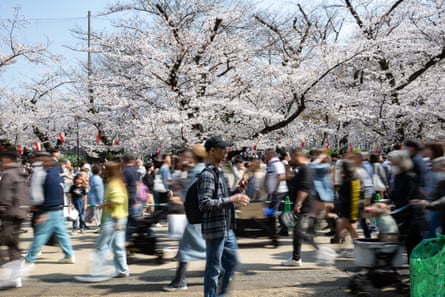
There will also be increased efforts to ease congestion by encouraging tourists to go beyond the usual hotspots of Tokyo, Mount Fuji, Osaka and Kyoto, though there are challenges to getting tourists off the most beaten tracks.
Two-tier pricing is already in wide use in Asia. Overseas visitors have been paying more for food and services for decades in China, Indonesia and Thailand among others. At some of the continent’s most iconic sites, such as India’s Taj Mahal and Cambodia’s Angkor Wat, overseas visitors pay significantly more than locals, who in some cases have the fees waived entirely.
It is also a growing trend in Europe, where Paris’s Louvre hiked entry only for non-European Economic Area residents by 45% to €32 ($36.40) in January.
Back in Nagano, Fujihara worries about the knock-on effect of higher prices making life harder for some Japanese, but she acknowledges the economic boost that foreign tourism delivers.
“Of course, I want people to come and enjoy Japan,” she says.