Iran and Oman draft waterway deal while Trump rejects Tehran's control and transit fees
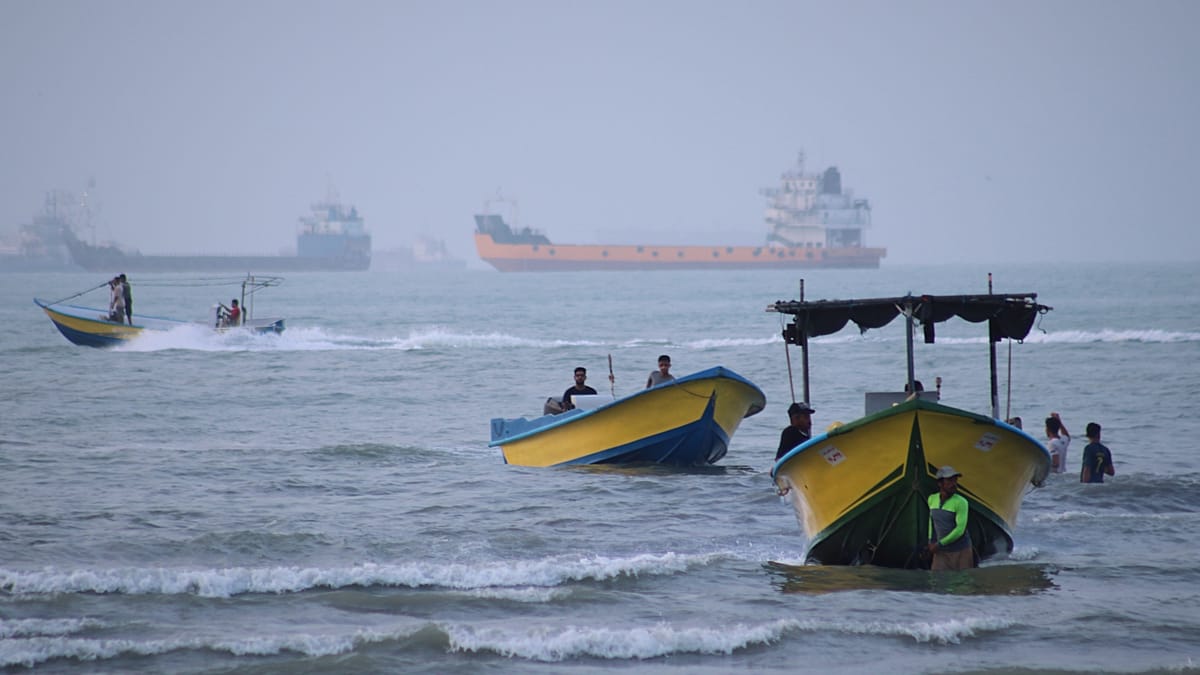
Tehran and Muscat are drafting an agreement to reopen the waterway via shared routes and service fees. However, implementation hinges on Washington lifting its blockade, with President Trump rejecting Iranian control or any shipping tolls.
Published on 05/08/2026 - 4:54 GMT+2
Iran and the Gulf Arab state of Oman are progressing on a deal to reopen shipping through the disputed Strait of Hormuz and potentially help wind down the war in the Middle East.
Iranian Foreign Ministry spokesman Esmail Baghaei said the bilateral talks with Oman are focused on “establishing safe inbound and outbound shipping lanes,” routes that “uphold sovereign rights while also addressing the national security considerations of both Iran and Oman.”
“The final results of these negotiations will be announced once concluded,” he added, in remarks carried by Iran’s state-run IRNA news agency.
The emerging agreement calls for ships to enter the Persian Gulf through an Iranian-controlled route and exit through an Omani-controlled route, with service fees charged for providing security and preserving the maritime environment, according to two regional officials who spoke to AP on condition of anonymity.
They said negotiations are still underway and that the final agreement could take a different form; however, any deal seems to depend on the US lifting its blockade on Iran’s ports, and the Trump administration has previously ruled out any deal that would give Iran control over the strait.
Any agreement formalising Iran’s control of the strait would mark a significant strategic victory for Tehran. For that reason, the US could seek to block the deal by refusing to lift the blockade. The strait was an open international waterway before the US and Israel attacked Iran on February 28.
Washington aims to return to status quo
A US official who was not authorised to comment publicly and spoke on condition of anonymity said Washington remains committed to returning to the status quo in which “no party controls the lanes or the ability to transit through them.”
In an exchange with reporters on Monday, Trump reiterated his public stance that he’s opposed to tolling in the strait. “I’m not going to let them charge,” Trump said. “Anybody’s going to charge, we’ll charge.”