From Scotland to Austria: Europe's best destinations for a 'stillcation'
Research reveals the best destinations in Europe where you can slow down among nature, as well as the science behind why forests, birdsong and scenic hikes can help travellers unwind.
In a world that rarely slows down, perhaps the greatest holiday luxury isn’t doing more, but instead opting to be "still"?
For many travellers, the idea of truly switching off and simply existing is more daunting than boarding a flight. And that’s where the idea of a “stillcation” comes in.
Rather than packing getaways with itineraries of activities, a stillcation prioritises slowing down and being more present.
According to tour operator Inghams Walking, the best destinations for this type of intentional travel are the ones where the environment helps the brain truly unwind.
Inghams analysed nearly 100 European destinations, ranking them by six factors, including the number of walking trails per square kilometre, air quality, birdsong richness, stargazing quality, human density per square kilometre, and total forest cover.
These features help the brain activate the “default mode network”, a resting state which, despite its name, involves the brain consolidating memories, processing emotions, problem solving and developing greater self awareness.
Eloise Skinner, a UK-based psychotherapist, said this has a positive impact “helping us move into a state of 'rest and digest' rather than 'fight or flight', and reducing our stress response and cognitive fatigue”.
She added: “Being surrounded by natural landscapes removes many obstacles and distractions, allowing us to turn our attention inward and feel a sense of greater connection and calm.”
Keen to plan a stillcation? Here are the destinations in Europe that scored highest for helping travellers truly just “be”.
Europe’s top 15 ‘stillest’ destinations
- 1. Wester Ross, Scotland: 44.74 / 100
- 2. French Pyrenees, France: 41.20 / 100
- 3. Abisko, Sweden: 40.86 / 100
- 4. Engadin Valley, Switzerland: 39.44 / 100
- 5. The Dolomites, Italy: 39.20 / 100
- 6. Picos de Europa, Spain: 39.05 / 100
- 7. Outer Hebrides, Scotland: 38.96 / 100
- 8. Corsica, France: 38.18 / 100
- 9. Gotland, Sweden: 37.95 / 100
- 10. Kitzbuhel, Austria: 36.86 / 100
- 11. Kranjska Gora, Slovenia: 36.38 / 100
- 12. St Anton, Austria: 36.32 / 100
- 13. Skane, Sweden: 35.05 / 100
- 14. Bled, Slovenia: 33.80 / 100
- 15. Neustift im Stubaital, Austria: 33.65 / 100
Wester Ross, Scotland
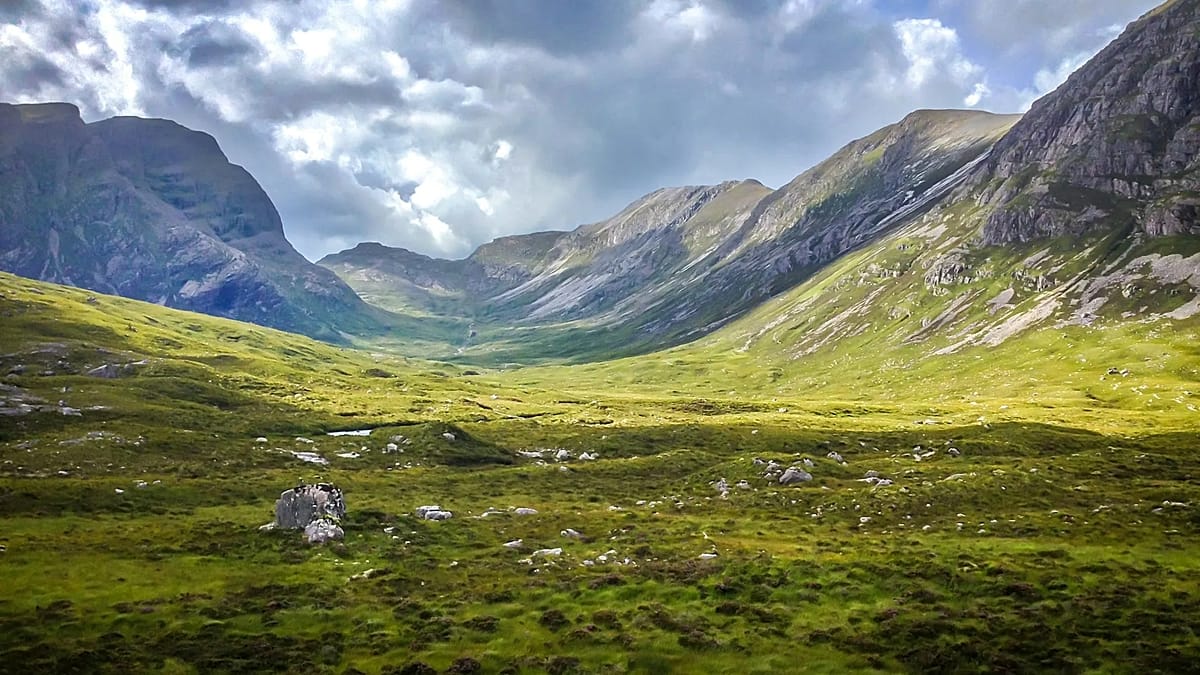
Crowned as the “stillest” destination in Inghams’ survey, this remote region in the northwest highlands of Scotland boasts dramatic mountain peaks, deep sea lochs, and pristine coastline.
The region is so remote that Inghams found just 1.6 inhabitants per square kilometre and also found it to have very low light pollution on the Bortle Scale. It is the perfect dwelling for a diverse range of local flora, fauna and wildlife, including otters and black-throated loon birds that can be seen in the waters of Loch Maree.
Its vast area of high-quality natural landscapes and biodiversity is paired with cultural heritage, where visitors can enjoy Gaelic music and observe traditional activities kept alive today, including Scottish “crofting”.
French Pyrenees, France
The vast Pyrenees mountain range stretches more than 430 kilometres between France and Spain. Inghams highlighting that the varied terrain offers something for every type of stillcation traveller to enjoy.
Travellers can hike across an array of trails, including the Andreyt ridges from the Col d’Aubisque, a 8.7 kilometre path of sweeping views over green hills.
Although second overall in the survey, the French Pyrenees is home to more than 319 bird species and ranks one of the highest in Ingham’s survey as a natural soundscape destination. The tour operators pointed to research that suggests the sounds of nature help people feel stillness and more relaxed, lowering heart rate.
Abisko, Sweden
This small village in Sweden is north of the Arctic Circle and famed as one of the best places in the world to see the shimmering Northern Lights from September to April.
Abisko also ranked highest in Ingham’s survey as a walking trail destination, thanks to its abundant paths and network of mapped routes – making it easy for travellers to explore without extensive planning.