British widow, 78, told to leave Sweden under Brexit rules after living there for 21 years
A 78-year-old British widow who has lived in Sweden for 21 years is fighting deportation from the country after authorities told her a post-Brexit application to stay had been submitted too late.Her case is...
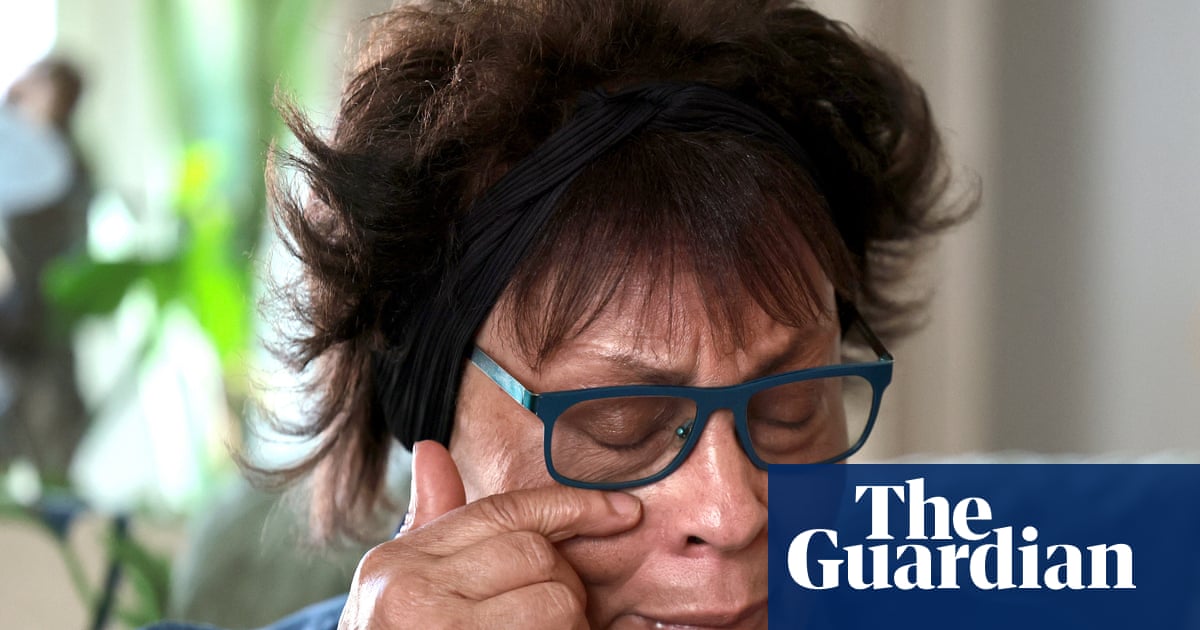
A 78-year-old British widow who has lived in Sweden for 21 years is fighting deportation from the country after authorities told her a post-Brexit application to stay had been submitted too late.
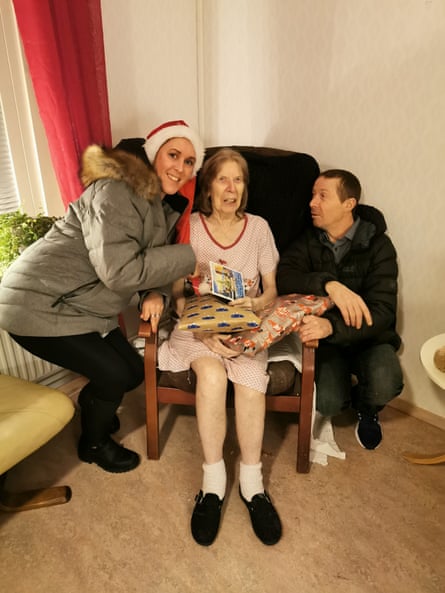
Her case is the latest of 2,500 British people ordered to leave the country after Brexit in what campaigners and the UK’s Foreign, Commonwealth & Development Office (FCDO) have said is an inexplicably hardline approach taken by the Swedish authorities. It comes two years after Sweden threatened to deport a British woman with dementia in a care home shortly before she died.
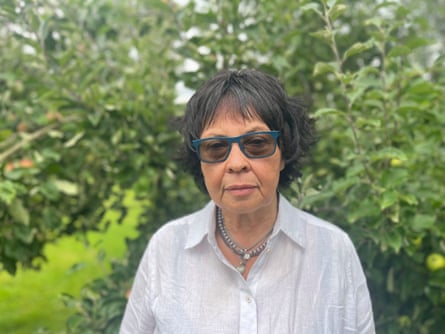
Joyce Thomas, a retired nurse, was given just four weeks to leave Sweden in November, three years after her husband had died, causing huge distress.
After being widowed, Thomas downsized with her dog to an apartment in Hammarö, which is close to her son and grandchildren, and to her husband’s grave.
She said she sometimes felt overwhelmed by the distress of what was happening.
“It is unbelievable at my age to be chucked out after being in a country for so long, when you’ve done absolutely nothing wrong,” Thomas said. “I have no criminal record, no driving penalties, nothing. And I have lived here on my own financial means. I just think nobody has actually looked into this thing. I mean, if it was their family or mother, they wouldn’t like them to be in this situation.”
Holding back tears, she said: “I am not young, and the idea I would have to come back and forth to visit my son and grandchildren and to visit my husband’s grave here … it is just horrible when you sit and digest it all.”
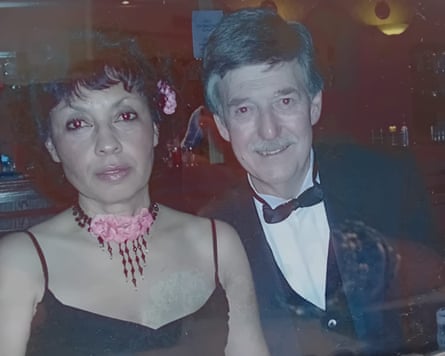
Her husband, Gwynne, died in 2023 of cancer. It was on a trip back from the UK in 2022, when they visited their second son in Brighton, that they first learned they should have made a formal application to stay in Sweden after Brexit.
She said her husband had been meticulous at keeping up with news relevant to British people in Sweden and had taken responsibility for all the administration in their household. She was sure he would have made the Brexit application had he known about it.
While late applications are permissible under the UK’s withdrawal agreement with the EU, Thomas’s submission was rejected in 2024 as she could not demonstrate “reasonable grounds” for applying late. A subsequent application to stay under national immigration laws was also rejected.
With the help of lawyers who are working pro bono, she is now taking the case to a higher court.
“When Gwynne died it was the worst thing. We were married for 55 years; he was my best friend and meant everything to me after all those years. But, you know, it [his death] was an end. This is just unbearable limbo. It is horrible. I am not young. I have already moved from a house to a flat – and to start moving again and looking for another place? I will be dead by the time I would be settled.”
The former business secretary Peter Kyle, who is MP for Brighton, said the case was “deeply concerning”.
He told the Guardian: “While immigration decisions in Sweden are a matter for the Swedish authorities, I have consistently believed that the rights of UK nationals who exercised free movement rights before Brexit should be treated fairly and with compassion.”
He urged Sweden to review her case. “I hope the authorities will carefully consider all the circumstances of Mrs Thomas’s case, including her long residence in Sweden, her family connections, and the humanitarian factors involved.”
The FCDO has also expressed concern, not just about Thomas but about the wider hardline approach taken by Sweden to British people living in the country since before Brexit.
Data shows that Sweden has the highest number of Brexit-related deportations of Britons of all EU member states. According to Eurostat data, 2,500 British nationals have been ordered to leave the country since Brexit, one-third of the entire number of removal orders issued across the 27-member bloc since Brexit in 2021.
An FCDO spokesperson said: “We regularly raise concerns regarding Sweden’s protection of citizens’ rights with both the Swedish authorities and the European Commission, which is responsible for monitoring the implementation and application of citizens’ rights matters in EU member states.”
Article 18 of the EU-UK withdrawal agreement allows for late applications on “reasonable grounds”. But UK government sources said they believed Sweden was “taking a considerably stricter approach” than others. The result is that “in practice individuals are not likely to have their reasonable grounds accepted”.
According to the most recent European Commission annual report on implementation of the WA, almost 4,000 applicants for post-Brexit residency status in Sweden were refused, out of 14,200 made.
By contrast, Bulgaria, which has a similar number of applicants at around 16,000, refused just five people, and Belgium, which had 13,000 applicants, refused 605, according to the same report.
According to FCDO analysis, Sweden’s refusal rate of 27.5% is three times higher than any other member state and considerably higher than the EU average of between 3% and 4%.
A spokesperson for the Swedish immigration authority, Migrationsverket, said: “In exceptional circumstances, it is still possible to submit a late application. The applicant must explain in writing why they were unable to apply within the prescribed period. Simply stating that the person was unaware of the requirement to apply is not, in itself, considered a sufficient explanation.”